
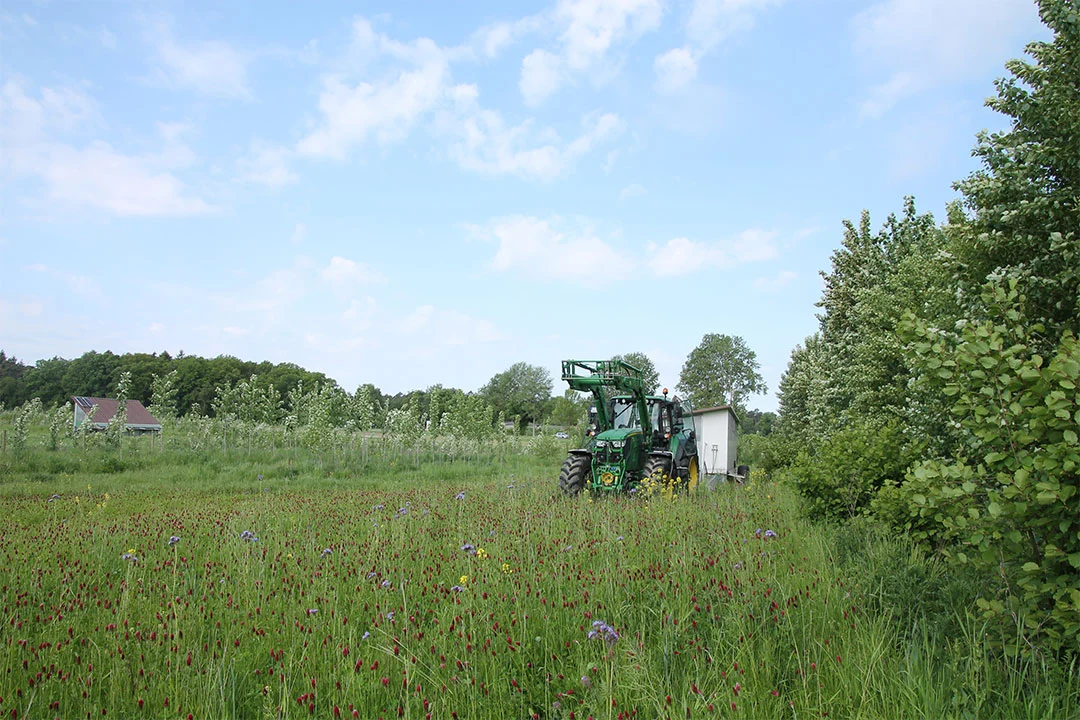
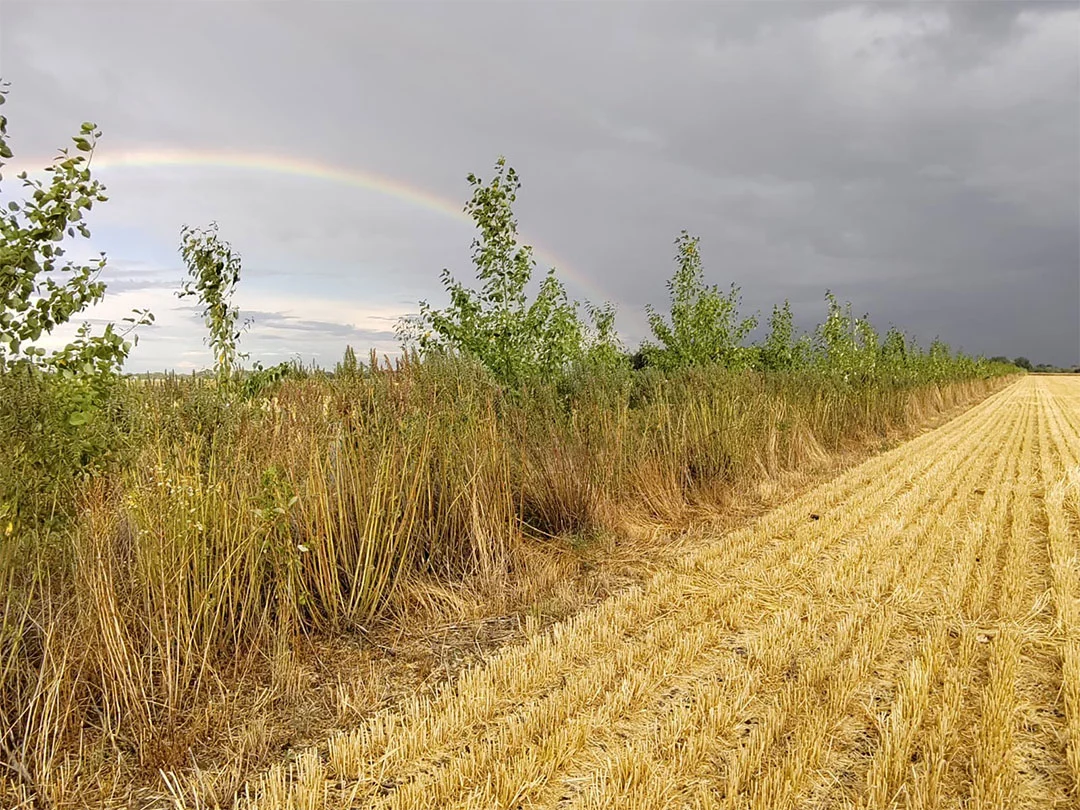
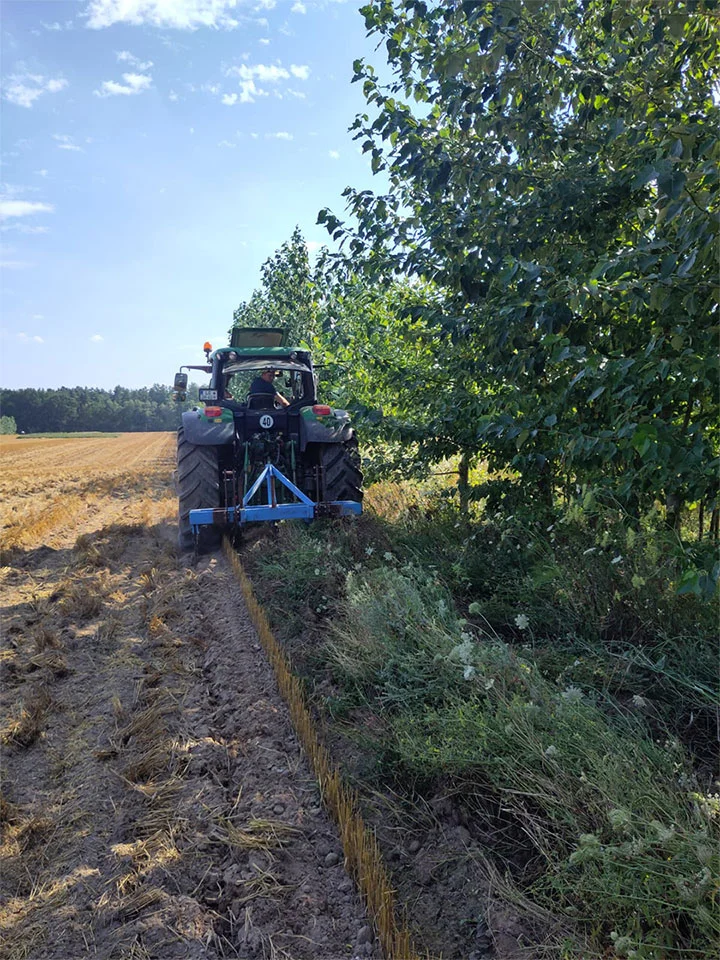
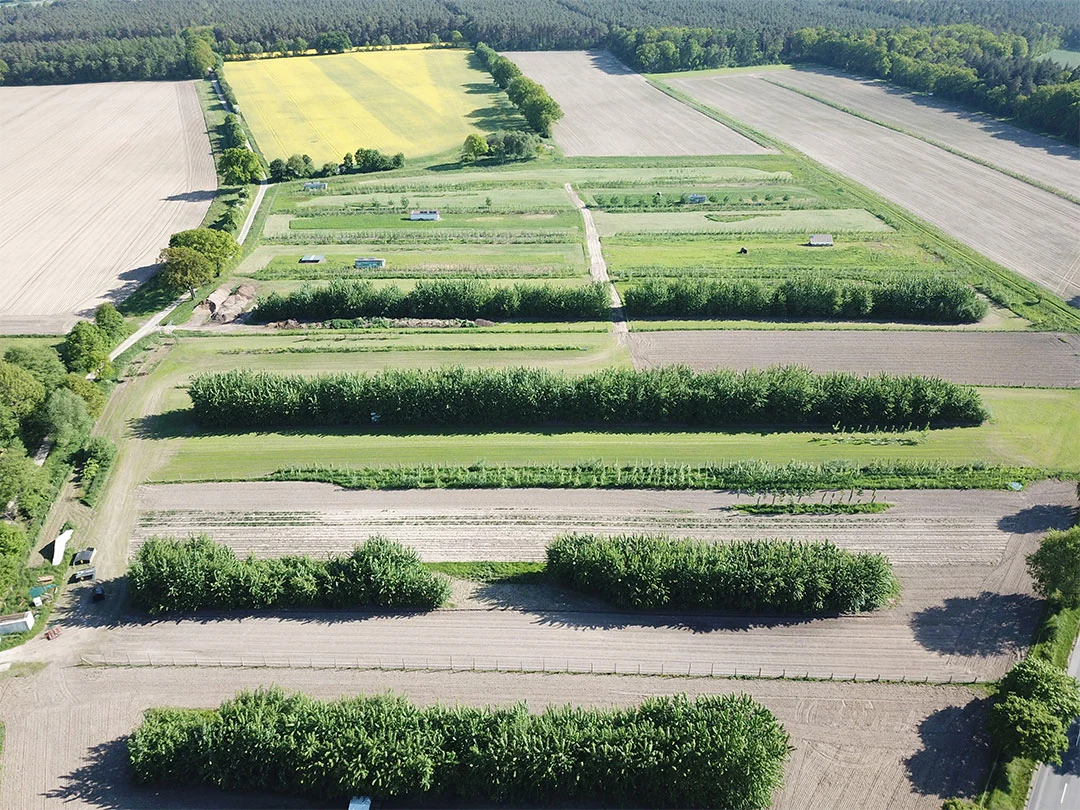
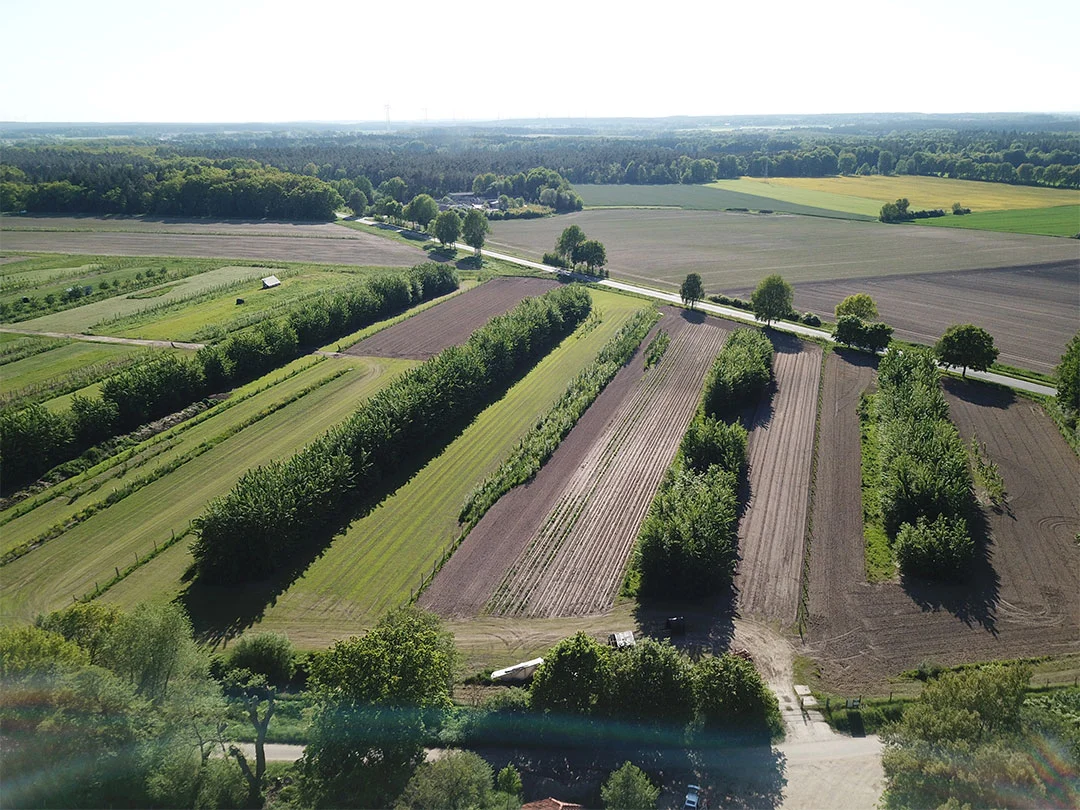
The German case study focuses on agroforestry systems, where trees are integrated with crops to improve resilience, productivity, and environmental benefits. Trees4Adapt partners draw on the AgroforstMonitoring network, a coordinated set of monitoring sites across Germany that tracks the performance of real agroforestry systems under different management, climatic, and soil conditions. This network provides long-term datasets that enable the project to assess agroforestry’s impacts on outcomes such as microclimate improvements, biodiversity gains, carbon storage, erosion control, and yield stability.
In addition to ecological and biophysical data, the case study examines the economic and practical dimensions of agroforestry. This includes management costs, regulatory constraints, land use competition, farmer perceptions, and long-term investment considerations. By collaborating with farmers, advisory bodies, and local authorities, Trees4Adapt identifies opportunities and challenges linked to adopting agroforestry at larger scales.
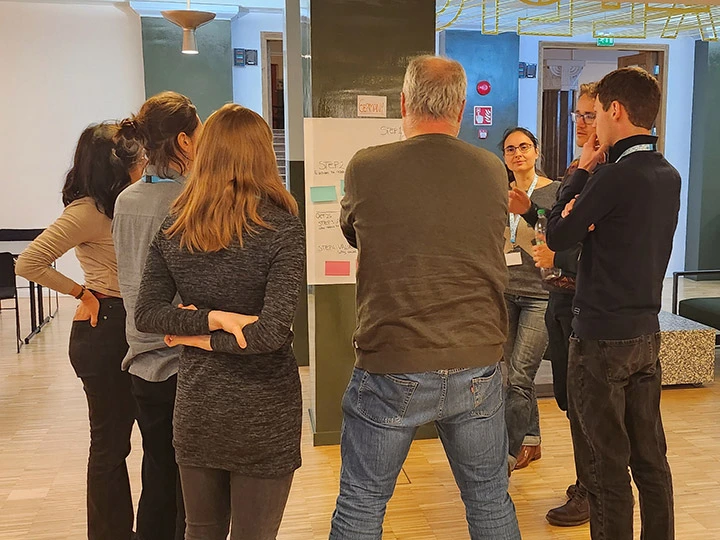
Contact: Sarah Redlich | sarah.redlich[a]uni-wuerzburg.de

Gallery
Case Studies
Case Study 1
Diversifying Finland’s Forests
Case Study 3
Post-fire recovery in Portugal
Tree-based Solutions 4 Climate Change Adaptation & Biodiversity Conservation