
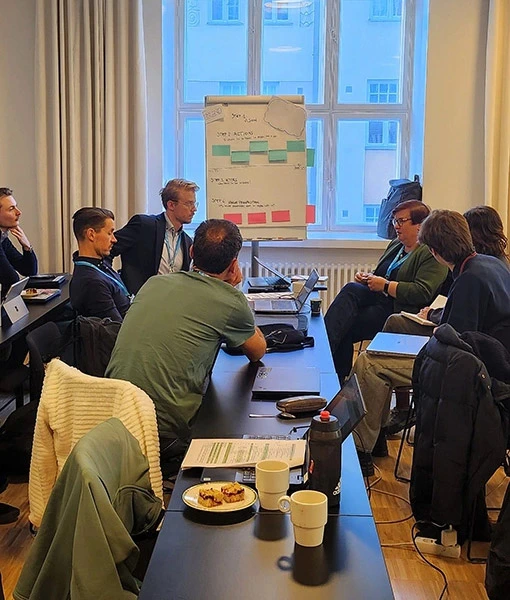
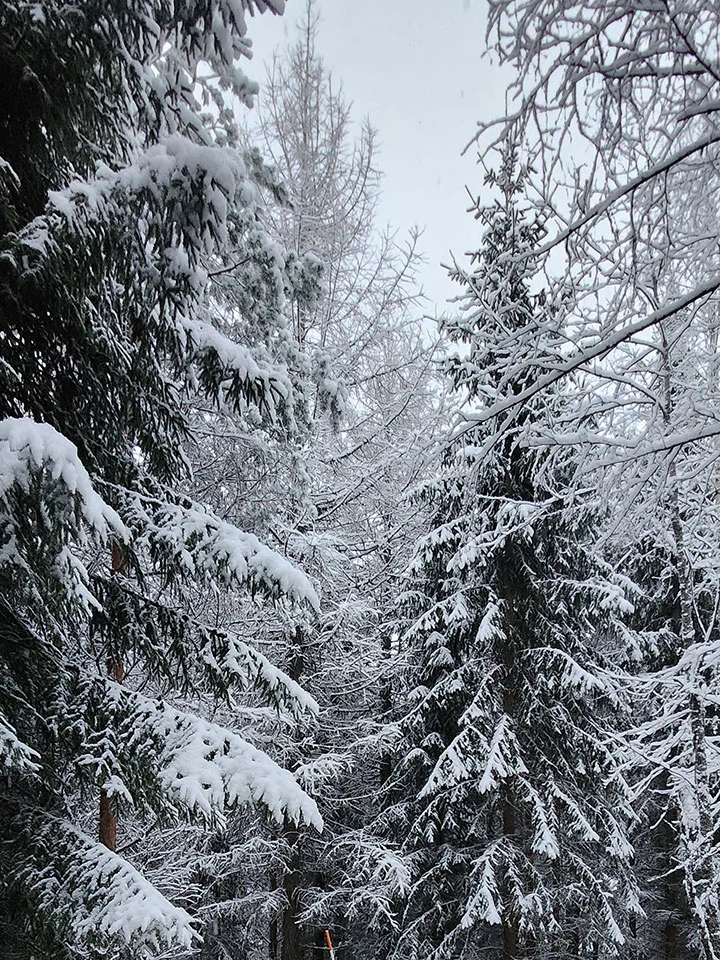
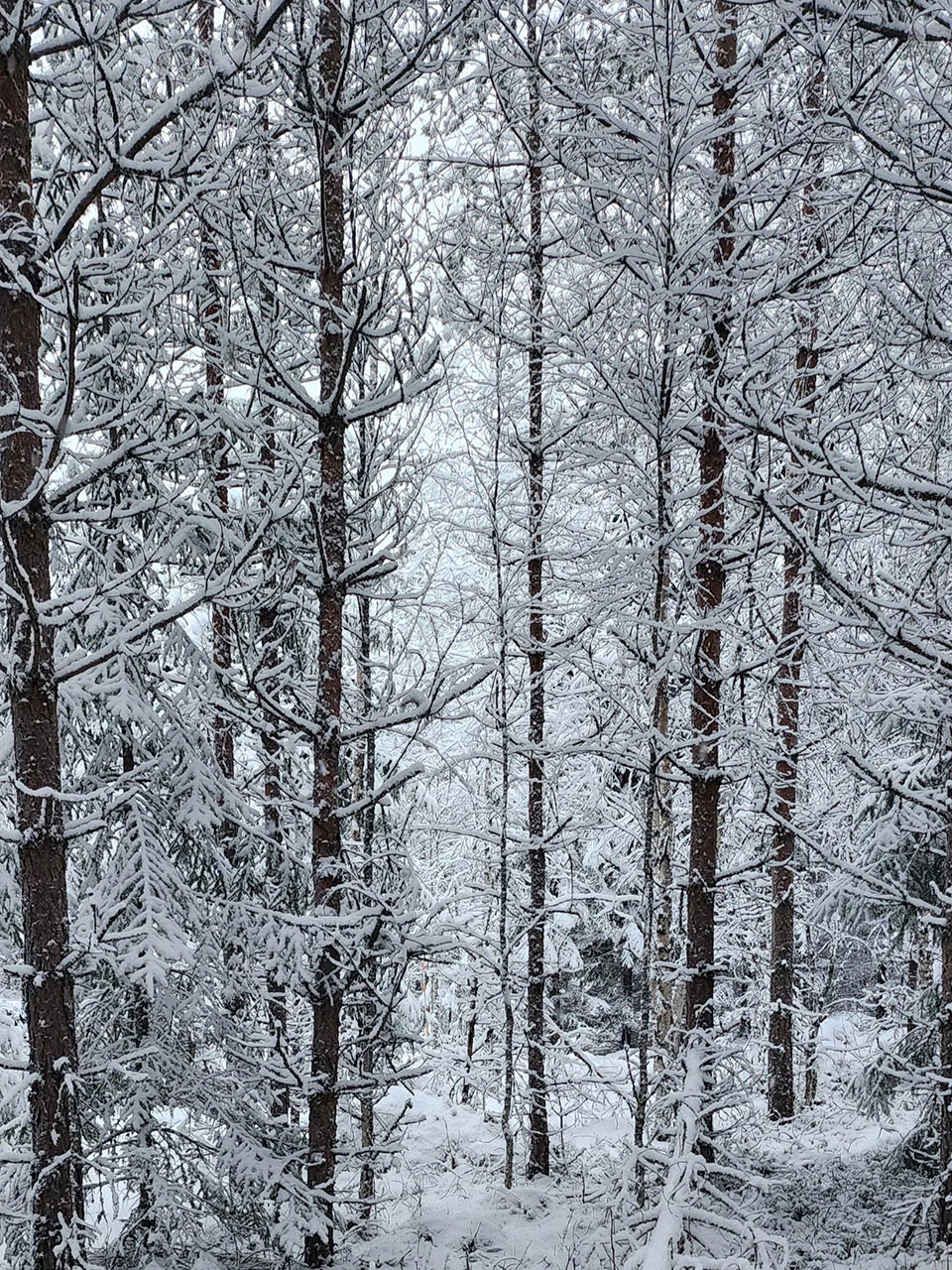
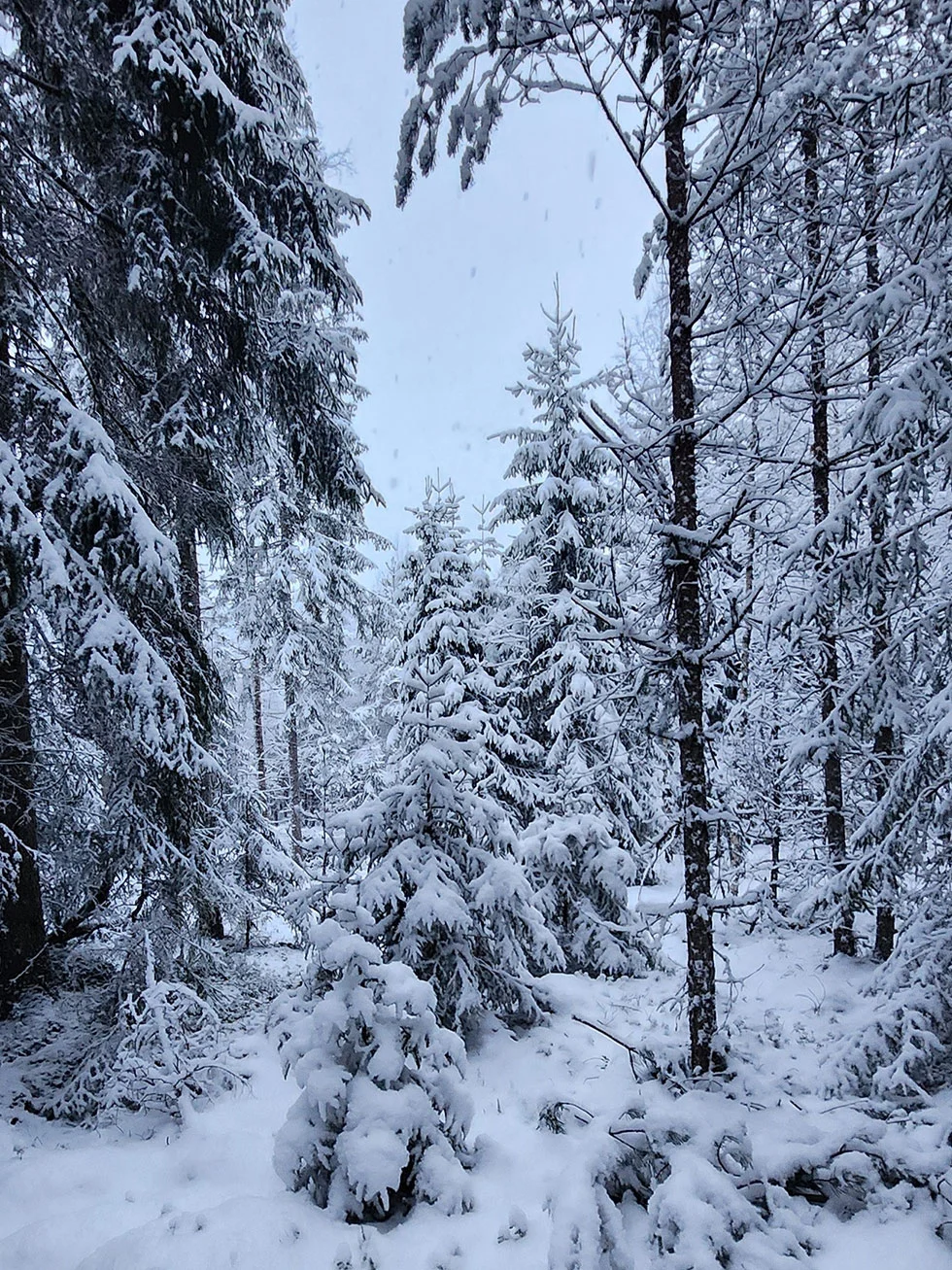
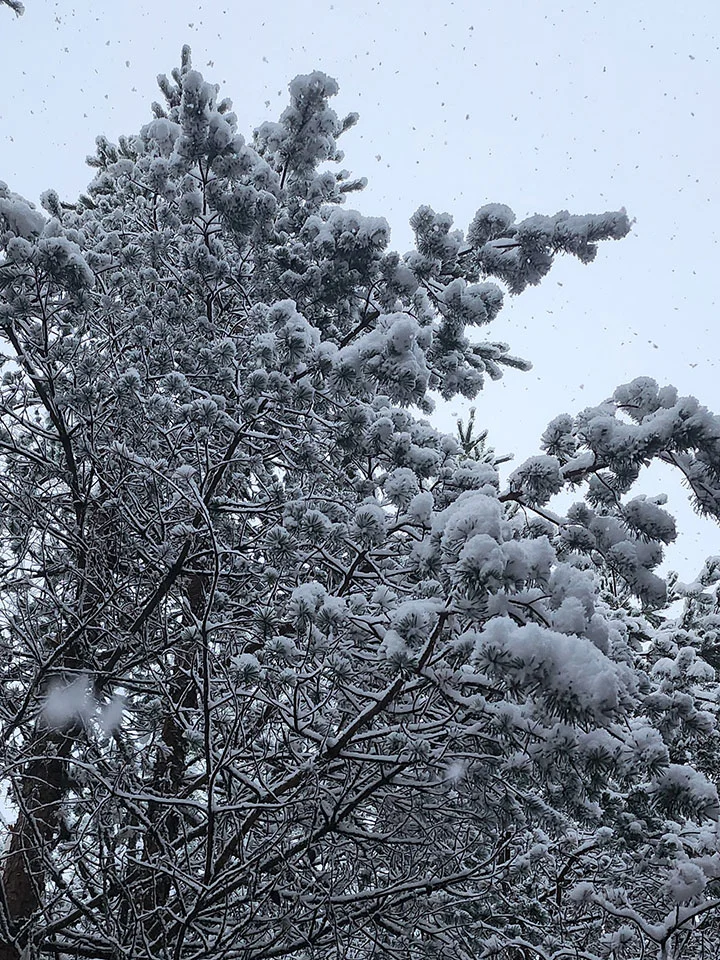
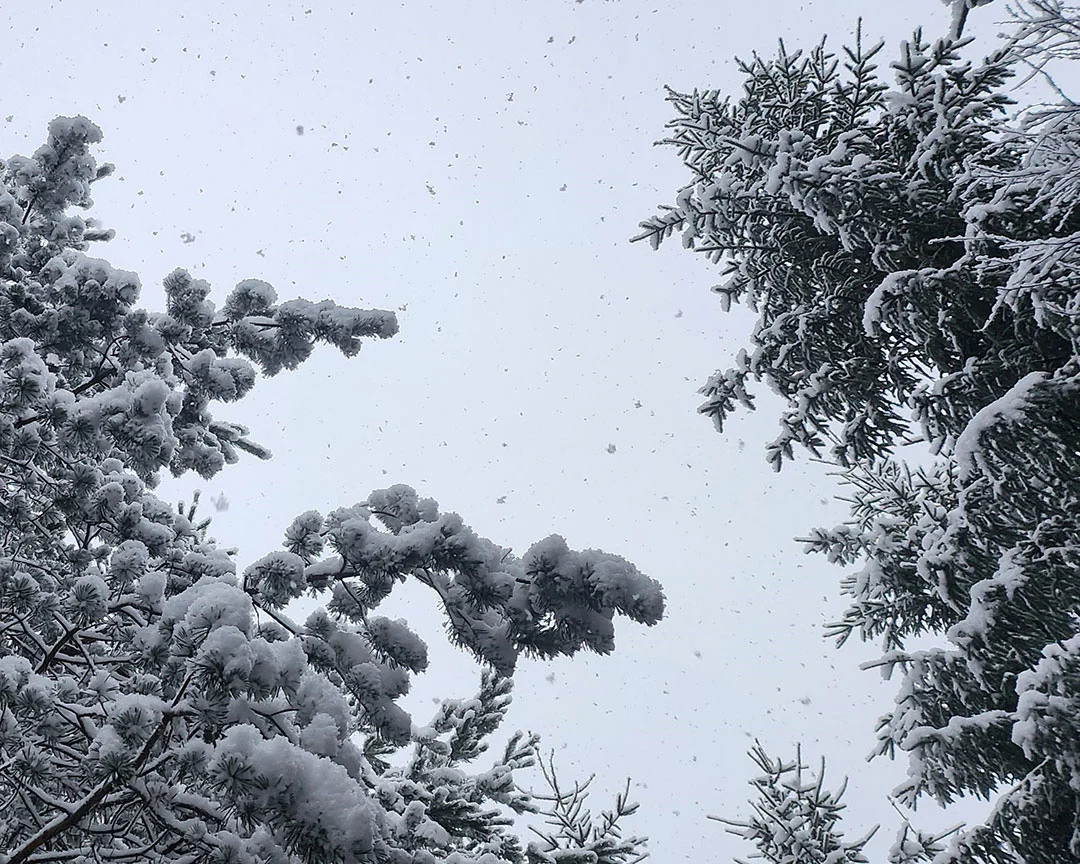
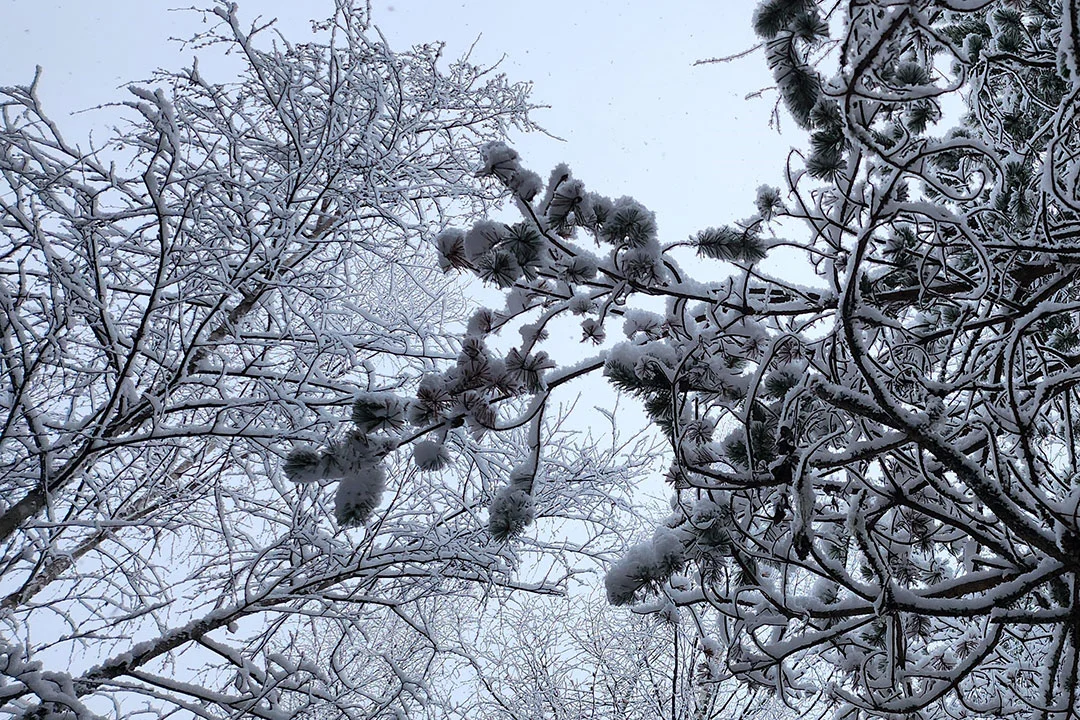
Trees4Adapt’s Finnish case study investigates how diversifying boreal forests can strengthen resilience to storms, pests, and drought while supporting biodiversity and long-term productivity. The work builds on the Satakunta forest diversity experiments, a unique long-term research platform established 26 years ago by researchers at the University of Turku. Spread across multiple sites in the Satakunta region, these experiments test how different combinations of tree species and genetic mixtures influence microclimates, soil processes, forest structure, and ecological functioning. The longevity and experimental design of the experiments provide an exceptional opportunity to study the impacts of tree diversity under real environmental variability.
Using detailed ecological and microclimate data collected within Satakunta, Trees4Adapt evaluates how mixed species perform under current and future climate conditions, compared to more uniform monocultures that dominate boreal forestry. The project also considers how diversification affects risks and management decisions, working with forest managers and regional stakeholders to identify viable pathways for adopting more diverse forest structures.
Contact: Julia Koricheva | julia.koricheva[a]rhul.ac.uk

Gallery
Case Studies
Case Study 2
Agroforestry in German Farmlands
Case Study 3
Post-fire recovery in Portugal
Tree-based Solutions 4 Climate Change Adaptation & Biodiversity Conservation